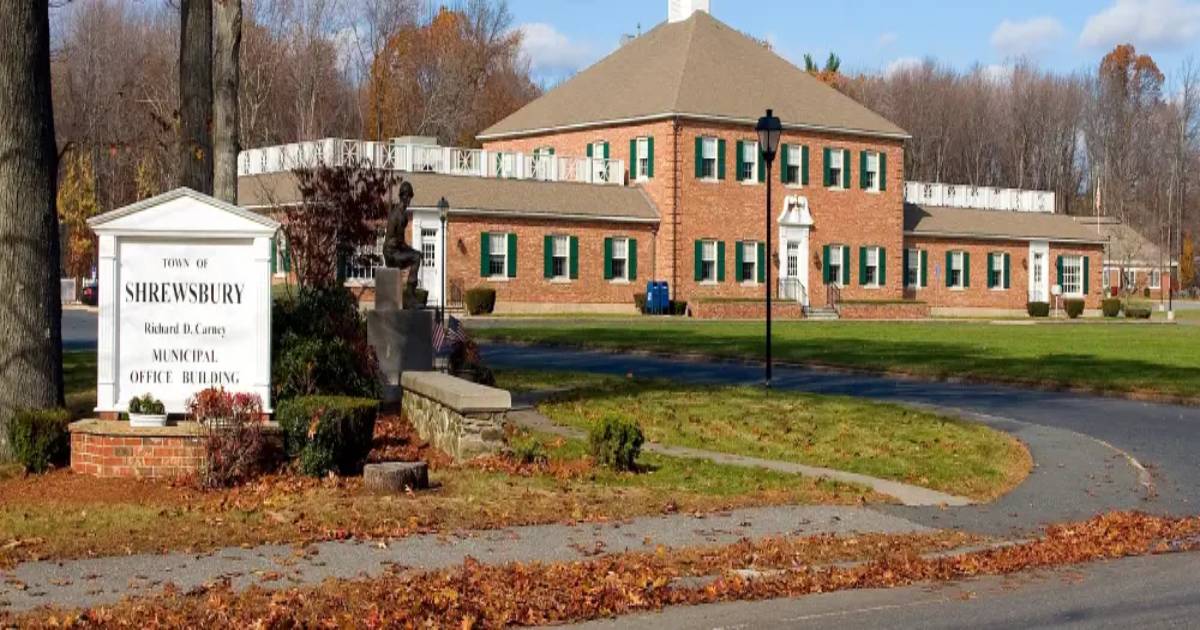
Understanding the Engine: Shrewsbury Town Operations, Elections & Public Works
Shrewsbury, Massachusetts, like any thriving community, operates on a complex interplay of civic engagement, dedicated public service, and strategic financial planning. From the fundamental process of electing local leaders to the everyday services that keep the town running smoothly, a deep understanding of these operations is crucial for every resident. This article delves into the core functions of Shrewsbury's town government, shining a light on its electoral processes, the vital role of public works, and the indispensable foundation of shrewsbury town finance that enables it all.
Effective town operations don't just happen; they are the result of careful management, community input, and robust financial stewardship. Whether you're a long-time resident or new to Shrewsbury, grasping how these elements connect can empower you to become a more informed and active participant in shaping the town's future.
The Democratic Pulse: Elections in Shrewsbury
At the heart of Shrewsbury's self-governance are its elections. These aren't just periodic events; they are the mechanism through which residents choose the individuals who will make critical decisions impacting daily life, from school budgets to infrastructure projects. The integrity and accessibility of these elections are paramount, reflecting the democratic values of the community.
The Electoral Process: Shrewsbury's election cycle involves several key stages:
- Voter Registration: Ensuring all eligible citizens can cast their ballot is the first step. The Town Clerk's office plays a vital role in managing voter lists, providing opportunities for new registrations, and updating existing ones. Staying registered and informed about deadlines is crucial for participation.
- Candidate Qualification: Prospective candidates for various town boards and offices must meet specific criteria and often gather nomination signatures, demonstrating community support before their names can appear on the ballot.
- Polling Places & Officials: On election day, designated polling locations open across town, staffed by dedicated election workers who ensure a fair and orderly voting process. These individuals are essential for guiding voters, verifying identities, and tabulating results.
- Information Dissemination: The town actively provides information about upcoming elections, including key dates, candidate lists, and sample ballots. Resources like the official town website are invaluable for residents seeking to educate themselves. For a deeper dive into how the town communicates these and other vital updates, you can Explore Shrewsbury, MA Official Site: News, Events & Services.
Why Elections Matter: Local elections often have a more direct and immediate impact on residents than state or federal contests. Decisions made by the Select Board, School Committee, Planning Board, and other town bodies directly influence property taxes, school quality, zoning regulations, and the availability of town services. Engaging in the electoral process—by voting, volunteering, or even running for office—is the most fundamental way to contribute to Shrewsbury's direction.
The Backbone of Community: Shrewsbury's Public Works
While elections focus on governance, Shrewsbury's Department of Public Works (DPW) is responsible for the tangible infrastructure and services that underpin daily life. Often working behind the scenes, the DPW ensures the town remains functional, safe, and pleasant for all residents. From the roads we drive on to the management of our waste, their operations are critical.
Key Areas of Public Works:
- Waste Management: Timely and efficient trash and recycling collection is a cornerstone of public health and environmental stewardship. Alerts regarding schedule changes, especially around holidays or during severe weather, are frequent and demonstrate the operational responsiveness of this department.
- Infrastructure Maintenance: This encompasses the repair and upkeep of town roads, sidewalks, bridges, and public buildings. Proper infrastructure is essential for transportation, safety, and community aesthetics.
- Water & Sewer Systems: Ensuring a safe and reliable water supply and managing wastewater are complex but crucial tasks that directly impact public health and quality of life.
- Parks & Grounds: The DPW often oversees the maintenance of public parks, recreational fields, and other green spaces, contributing to the town's beauty and providing essential community amenities.
- Snow Removal: In a New England town like Shrewsbury, winter operations, particularly snow plowing and ice control, are a massive undertaking, critical for maintaining emergency access and general mobility.
The Operational Challenge: Public Works departments face constant challenges, from aging infrastructure and environmental regulations to budget constraints and unpredictable weather. Their ability to deliver consistent services relies heavily on careful planning, efficient resource allocation, and, crucially, stable shrewsbury town finance.
Navigating Shrewsbury Town Finance: The Unseen Engine
Every service, every election, every infrastructure project in Shrewsbury is ultimately enabled and constrained by the town's financial health. While the direct details of Shrewsbury's financial reports are extensive and available through official channels, understanding the *role* of shrewsbury town finance is paramount to comprehending town operations.
The Core of Town Finance:
- Budgeting & Allocation: At the heart of town finance is the annual budget process. This involves estimating revenues (primarily from property taxes, state aid, and fees) and allocating funds across various departments and services – education, public safety, public works, administration, etc. This process often involves public hearings and ultimate approval at the annual Town Meeting, making it a critical point of civic engagement.
- Taxation: Property taxes are the primary revenue source for most Massachusetts towns, including Shrewsbury. The decisions made regarding the tax rate directly impact residents and businesses, balancing the need for services with the burden on taxpayers.
- Capital Improvement Planning: Beyond day-to-day operations, Shrewsbury town finance also involves planning for major, long-term investments like new schools, road reconstruction, or significant equipment purchases. These capital projects require careful financial forecasting and often involve borrowing, managed through municipal bonds.
- Transparency & Oversight: A well-managed town emphasizes financial transparency. Annual reports, budget documents, and audit results are typically made publicly available, allowing residents to understand how their tax dollars are being used and to hold town officials accountable. Citizens can often find summaries and links to more detailed financial documents by visiting the Shrewsbury Community Hub: Local Alerts, Events & Department Info.
Why Financial Management Matters: Sound financial management ensures that Shrewsbury can consistently provide high-quality services, invest in its future, and maintain its financial stability. Poor financial planning can lead to service cuts, increased debt, or an inability to respond to unforeseen challenges. The ongoing health of shrewsbury town finance is not just an administrative concern; it's a direct determinant of the town's vitality and livability.
Beyond Elections and Public Works: A Holistic View of Town Services
While elections and public works form critical pillars, Shrewsbury's operational landscape is far broader. Many other departments and services contribute to the town's overall well-being, each with its own operational needs and financial implications:
- Community Events: Organizing and supporting town-wide events fosters community spirit and vibrancy. These often require coordination across departments and sometimes rely on volunteer efforts and specific budgetary allocations.
- Cemeteries: The respectful maintenance of town cemeteries is an ongoing operational task, often managed by a dedicated department or board, with funding derived from various sources.
- Public Transportation: While often regional, local towns play a role in advocating for and sometimes contributing to local transportation options that serve residents, particularly seniors and those without personal vehicles.
- Emergency Services: Police, Fire, and Emergency Medical Services (EMS) are crucial for public safety and represent a significant portion of any town's budget, requiring constant investment in personnel, training, and equipment.
Each of these services, alongside others not explicitly detailed in the initial context, are integral to making Shrewsbury a desirable place to live. And each of them, without exception, relies on the efficient and responsible management of shrewsbury town finance to operate effectively.
Tips for Engaged Shrewsbury Residents
Understanding town operations is the first step; active engagement is the next. Here are practical ways to stay informed and contribute:
- Attend Town Meetings: The Annual Town Meeting is where major decisions, including budget approvals and bylaw changes, are made. It's a direct way to influence Shrewsbury's future.
- Review Public Documents: Make it a habit to look at the annual town report, budget documents, and meeting minutes available on the official website.
- Subscribe to Alerts: Sign up for town newsletters or alert systems to receive timely information on elections, public works notices (like trash schedule changes), and community events.
- Contact Town Officials: If you have questions or concerns about specific services or financial decisions, reach out to your elected officials or relevant department heads.
- Volunteer: Consider volunteering for a town committee or board. This is a hands-on way to contribute your skills and insights.
- Vote: Participate in every election – local, state, and federal. Your vote is your voice.
In conclusion, the smooth functioning of Shrewsbury, MA, is a testament to the intricate dance between its democratic processes, the unwavering efforts of its public works, and the prudent stewardship of its finances. By understanding how elections shape leadership, how public works deliver essential services, and how shrewsbury town finance underpins it all, residents can better appreciate the complexities and contribute more effectively to the ongoing success and vibrancy of their beloved town. Active participation and informed decision-making are the keystones to a thriving Shrewsbury.